
জুতার উপাদান: উপরের অংশ, সোল এবং লাইনিংয়ের তুলনা
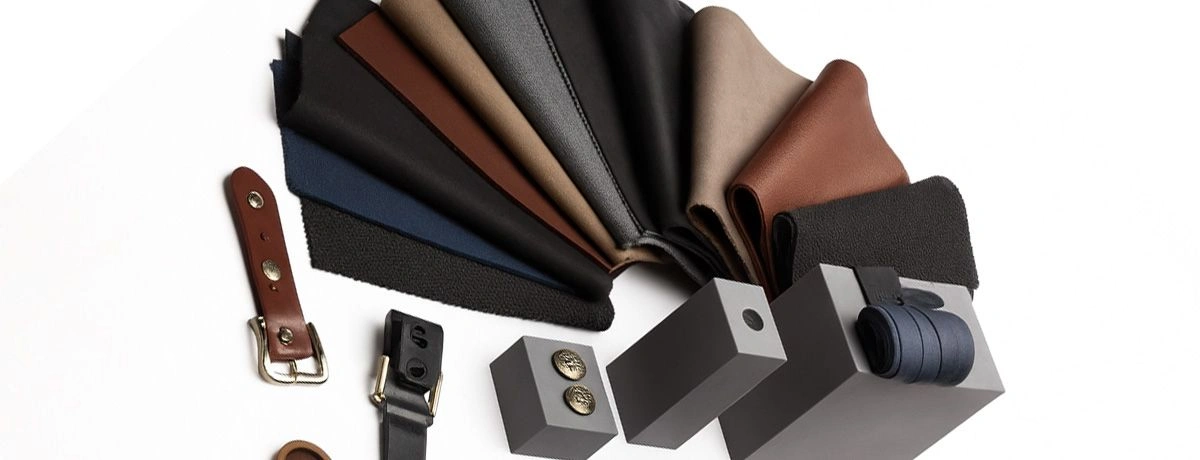
Shoe materials fall into three groups that you specify separately: the upper (leather, PU/synthetic, mesh or canvas), the sole (rubber, EVA or leather) and the lining (mesh, leather or fabric). Each choice shifts durability, breathability, weight and cost, so a footwear line is really a set of material decisions, not one.
কী Takeaways
- Specify shoe materials in three layers: upper, sole and lining. They age and cost differently.
- চামড়া wins on longevity and fit; PU and microfiber win on consistency, cost and easy care; mesh and canvas win on breathability and weight.
- রবার outsoles give grip and wear life, ইভা midsoles give light cushioning, চামড়া soles suit dress shoes.
- Athletic, winter and dress shoes each pull toward a different material stack; matching the stack to the shoe type matters more than any single “best” material.
What Materials, Including Synthetic Materials, Are Used for Shoe Uppers?
The upper is the part of the shoe that sees the foot, the weather and the eye, so it carries most of the comfort, style and durability. Five materials cover nearly every line: full-grain or split leather, PU-coated synthetics, microfiber, knitted or woven mesh (usually nylon or polyester), and cotton canvas—different types of upper materials commonly used in shoes and central to shoe design.
| উপরের উপাদান | breathability | স্থায়িত্ব | Care & consistency | সাধারণ ব্যবহার |
|---|---|---|---|---|
| চামড়া | Good, and it molds to the foot | High; improves with wear | Needs conditioning; grain varies hide to hide | Dress shoes, boots, work shoes |
| PU / synthetic leather | নিম্ন থেকে মধ্যম | Moderate; coating can crack at flex points | Wipe-clean; very uniform roll to roll | Fashion, casual, school shoes |
| মাইক্রোফাইবার চামড়া | মধ্যপন্থী | High abrasion resistance for a synthetic | Uniform; easy to cut and stitch | Sneakers, safety and uniform shoes |
| Nylon / polyester mesh | উচ্চ | Moderate; low tear strength unless reinforced | Washable; light | দৌড় এবং প্রশিক্ষণের জুতা |
| Canvas (cotton or blend) | উচ্চ | Moderate; wears at toe and heel | Washable; can shrink or fade | Casual shoes, summer shoes |
Qualitative comparison. Coating thickness, backing fabric and finish change results within each group.
চামড়া is one of the most popular materials for uppers: cow leather is the most common shoe material, full-grain is the highest-quality hide option, and that blend of durability and quality keeps leather shoes in demand. It conforms to the foot over time and takes finishes from suede and nubuck, both soft-textured leather variations, to patent, which is why it stays the default for dress shoes and boots. The trade-off for a manufacturer is natural variation, since each hide cuts differently. Buyers who want leather looks with tighter consistency often move to কৃত্রিম চামড়া, where the surface and thickness repeat from roll to roll.
synthetics such as polyester, nylon and polyurethane are lightweight, easy to care for and predictable in production, offering a contrast to leather through man made materials that trade some natural character for consistency and cost control. Lightweight নাইলন কাপড় are the base of many athletic uppers, and Pu চামড়া and Birko-Flor-type coated materials imitate leather at lower cost. ক্যানভাস জুতো, woven from cotton or cotton-synthetic blends, remain a light, breathable option suitable for casual and summer wear.
Which Shoe Soles Material Fits Which Shoe?
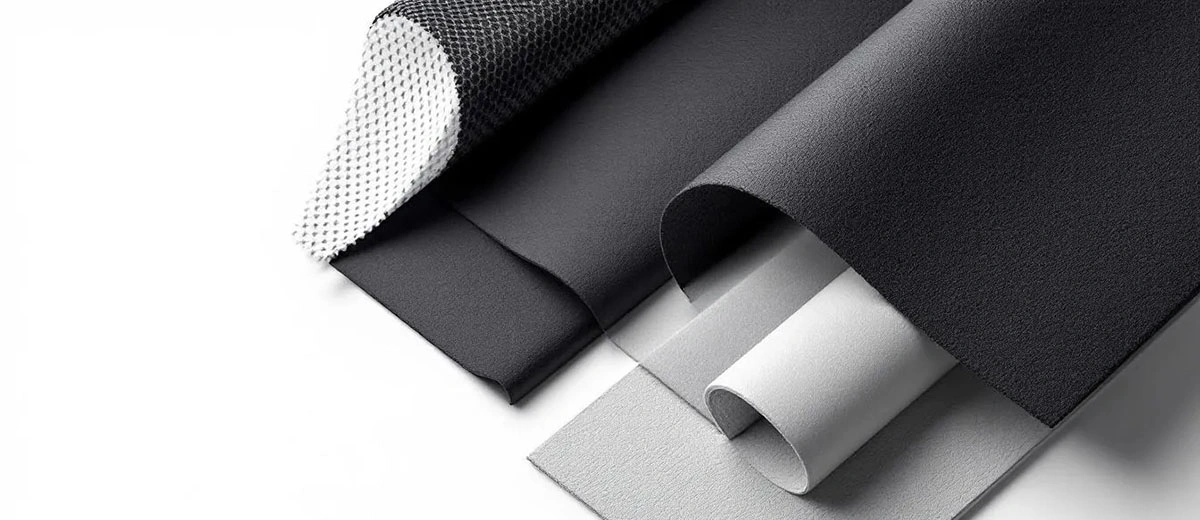
Sole material decides grip, cushioning, wear life, support, and protection, and compounds are chosen for traction on different surfaces. Rubber suits outsoles that must grip and last, EVA suits light midsoles that must cushion, and leather suits dress shoes where looks come first. Many shoes combine two of them, such as an EVA midsole under a rubber outsole.
| একমাত্র উপাদান | প্রধান শক্তি | সীমাবদ্ধতা | সাধারণ ব্যবহার |
|---|---|---|---|
| রবার (natural, synthetic or carbon rubber) | Grip, abrasion resistance, water resistance | Heavier than foam | Outsoles on athletic, work and outdoor shoes |
| ইভা ফেনা (ইথিলিন ভিনাইল অ্যাসিটেট) | Light weight, cushioning, shock absorption | Compresses over time; less abrasion-resistant than rubber | Midsoles and casual or sandal soles |
| চামড়া | Classic look, formal profile | Less cushioning; slippery when wet | Dress and formal shoes |
Hardness and density are set by the compound; confirm the target against your own test standard.
Carbon rubber outsoles add wear resistance and traction for sport and work footwear, and rubber is naturally water-resistant; blown rubber is common in running shoes for comfort but wears down faster, while crepe rubber is valued for shock absorption across surfaces. EVA is valued as a midsole because it spreads pressure through the stride while staying light, and it is flexible and quick-drying, though polyurethane foam offers better compression resistance in some footwear uses, and TPU is often added to improve impact durability with torsional rigidity. Leather soles give a refined line but little cushioning. For component-level options, see MH's জুতার তল range, and pair them with পলিয়েস্টার সেলাই থ্রেডfor footwear stitching that match your durability and color requirements.
What Lining Material Should You Choose?
The lining touches the skin, so it governs moisture handling and feel. Mesh breathes and wicks, leather regulates moisture and molds to the foot, and fabric linings feel soft and suit casual shoes. How you pair the lining to the upper matters: a good match can create a more comfortable interior fit, and a hot, non-breathable synthetic upper needs a lining that moves moisture.
| আস্তরণের উপাদান | Comfort profile | এর সাথে সেরা জুটি | জন্য নজর রাখুন |
|---|---|---|---|
| জাল | Breathable, wicks sweat, light | Athletic and training uppers | Lower abrasion resistance at the heel |
| চামড়া | Regulates moisture, molds to the foot | Dress shoes, boots, premium casual | Higher cost; needs skiving and trimming |
| ফ্যাব্রিক (cotton, polyester, brushed or terry) | Soft and warm to the touch | Casual, summer and everyday shoes | Can hold moisture if ventilation is poor |
Knit materials can also be used here when maximum airflow and adaptive stretch are needed, and some brands add চার-মুখী প্রসারিত পলিয়েস্টার-স্প্যানডেক্স বোনা কাপড় in targeted zones for a closer fit. Both the shoe upper and lining options and the supporting আস্তরণের উপাদান এবং fabric lining guides go deeper on construction and fabric weights.
Which Materials Suit Athletic, Winter and Dress Shoes?
Each shoe type has a material stack that works, and different types of shoes need layers suitable for their use. Athletic shoes combine EVA midsoles, rubber outsoles and mesh or synthetic uppers; winter footwear uses insulating linings such as sheepskin or wool; dress shoes rely on leather, suede or patent finishes over leather soles.
| জুতার ধরন | উচ্চতর | সূর্য | Lining / insulation |
|---|---|---|---|
| অ্যাথলেটিক | Mesh, polyester, PU or microfiber overlays | EVA midsole, natural or synthetic rubber outsole for traction on different surfaces | শ্বাস প্রশ্বাস জাল |
| শীতকালীন | Leather, coated synthetic or waterproof textile | Rubber for cold-weather grip | Sheepskin or wool for heat retention and moisture handling |
| Dress / formal | Leather, suede or patent leather | Leather, sometimes rubber-topped | চামড়া |
Some brands now offer plant-based leather alternatives for dress and fashion lines.
Natural rubber gives strong grip from its molecular structure, and synthetic rubber can match it in many applications. Sheepskin holds heat well, while wool is favored for moisture management. Leather shoes remain a classic option for formal and everyday wear. Suede is a soft leather prized for its texture; patent leather adds gloss for formal wear. Durable leather-and-rubber builds are also common in work boots. The shoe accessories category collects these components in one place, including জিপার্সের for work and outdoor footwear where closures must match the shoe’s durability.
Shoe Materials from MH: One Supplier for Fabrics, Linings and Components
Footwear brands and factories rarely source from one place: leather or PU from one mill, mesh from another, linings and components from a third, and each new vendor brings its own tolerances. এমএইচ (নিংবো এমএইচ) shortens that chain. Founded in 1999 and shipping to buyers in more than 150 countries, MH sells shoe materials in the same catalog as the fabrics, trims and sewing materials that go into the rest of the product, drawn from roughly 10,000 tailoring materials and fabrics. That matters in shoe manufacturing, where material sourcing directly affects consistency across runs, and MH’s position as a শীর্ষস্থানীয় সরবরাহকারী of garment accessories and tailoring materials helps keep standards consistent across product categories.
Behind that range are 9 factories across about 350,000 m², a 3,000+ workforce and 2,000+ partner manufacturers, which is what lets MH repeat an upper or lining specification across reorders. Footwear manufacturers, importers and private-label brands can browse shoe accessories or MH এর সাথে যোগাযোগ করুন for a quote by material, thickness, width and finish. Additionally, circular business models can reduce waste in shoe manufacturing, especially when you standardize on versatile coated textiles such as পিভিসি এবং পিইউ প্রলেপযুক্ত অক্সফোর্ড ফ্যাব্রিক that can be applied across multiple styles.
Request a shoe materials quote →


সচরাচর জিজ্ঞাস্য
জুতা তৈরির জন্য সবচেয়ে টেকসই উপকরণ কী কী? Leather and rubber are the most durable pairing: leather for the upper because it keeps its shape and improves with wear, and rubber for the outsole because of its abrasion resistance and grip. Microfiber leather is the most durable synthetic upper for sneakers and uniform shoes.
How do synthetic materials compare with leather for shoe uppers? Synthetics are lighter, easier to care for and more uniform from roll to roll, which suits volume production. Textile uppers are commonly specified by denier, with many shoe fabrics falling in the 110D to 600D range; 1 denier equals 1 gram per 9000 meters of thread. Leather conforms to the foot over time and breathes better.
অ্যাথলেটিক জুতায় ইভা ফোম কেন ব্যবহার করা হয়? EVA is light and cushions well, so it absorbs shock and spreads pressure through the stride, which reduces strain on the foot and joints. It is usually used as the midsole, with a rubber outsole beneath it for grip and wear.
What makes canvas a common choice for casual shoes? canvas shoes are commonly chosen for casual wear because they are lightweight, breathable and available in many colors and prints, so they suit casual and summer styles. Light, sheer textiles such as শিফন ফ্যাব্রিক used for linings and design details can complement these styles in apparel collections. It is usually cotton or a cotton-synthetic blend and washes easily, though it wears faster than leather at the toe and heel.
How do leather linings improve shoe comfort? Leather linings regulate moisture and mold to the shape of the foot over time, giving a closer, more personal fit. They are a premium option for dress shoes, boots and higher-end casual styles, at a higher cost than mesh or fabric linings.
